
Homemade Egg Roll Wrappers From Scratch
Making homemade egg roll wrappers may sound difficult, but this batter-style method keeps the process simple. Instead of kneading a ball of dough and rolling each wrapper on a floured surface, you will spread a thin layer of batter across a non-stick pan. The end result is a soft, flexible round skin that is ready for your favorite savory filling.
These homemade wrappers are a great option when you cannot find store-bought egg roll wrappers or simply want to make your own egg rolls from start to finish. You only need four basic ingredients and a few common kitchen tools. Once you get comfortable spreading the batter, each wrapper cooks in just a couple of minutes.
**This post contains affiliate links. We are a participant in the Amazon Services LLC Associates Program, an affiliate advertising program designed to provide a means for us to earn a small commission by linking to Amazon.com and affiliated websites.
Why You Will Love This Recipe
- You only need flour, salt, an egg, and cold water.
- There is no dough to knead or roll out.
- You do not need a rolling pin or pasta machine.
- The thin wrappers work with many different proteins and fresh vegetables.
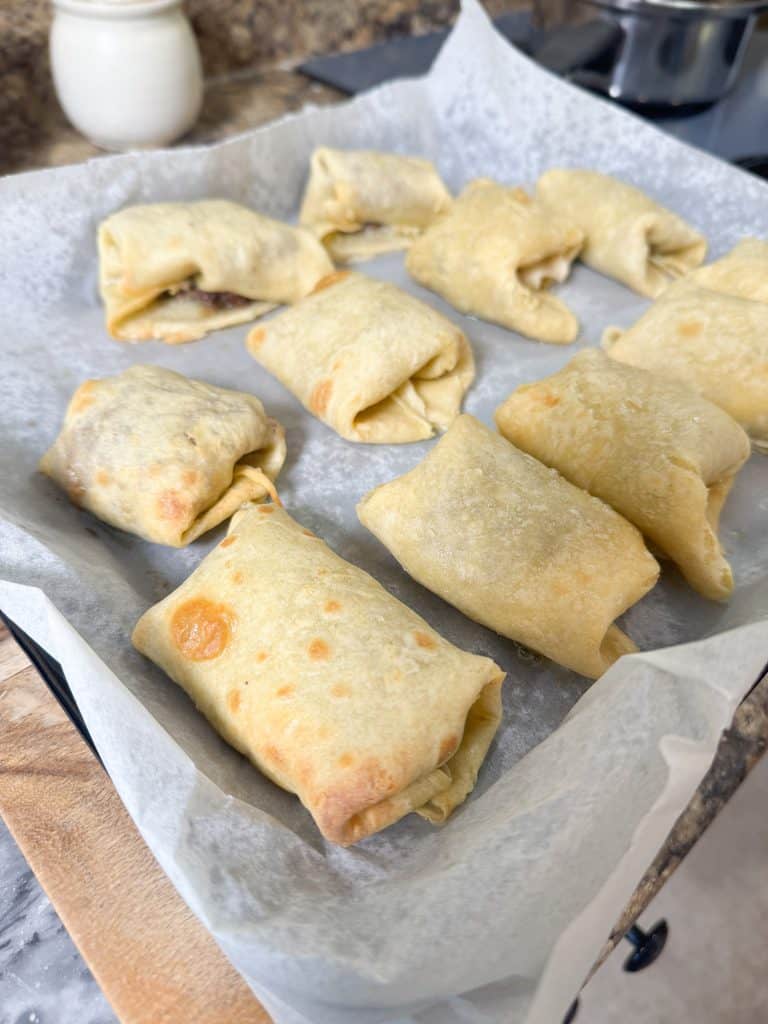
- You can use them for fried, baked, or air fryer egg rolls.
Are Egg Roll Wrappers the Same as Spring Roll Wrappers?
The names can be confusing because different brands and Chinese restaurants may use the terms in different ways. American-style Chinese egg rolls are usually made with wheat flour wrappers that become crisp and bubbly when fried. Many spring rolls also use thin wheat-based spring roll wrappers, although some are lighter and more delicate.
Vietnamese egg rolls may be prepared with wheat wrappers or rice paper wrappers, depending on the recipe and family tradition. Rice paper is made differently and should not be substituted in this particular recipe. Wonton wrappers are also wheat-based, but they are usually smaller and thicker. They are better suited for wontons, dumplings, and small appetizers.
A Simple Batter Method
Many egg roll wrapper recipes begin with a stiff dough made from wheat flour. That type of recipe often requires kneading, resting, and rolling the dough into thin 6-inch squares. Some cooks use a pasta machine to make every sheet even.
This recipe uses a different method. The flour, salt, egg, and water form a thin pancake-like batter. You then use a pastry brush, small brush, or silicone spatula to “paint” the batter across the pan. It is especially helpful for the first time because you can see and fill any thin spots before the wrapper sets.
Ingredients for Homemade Egg Roll Wrappers
All-purpose flour
Regular all-purpose flour gives the wrappers structure while allowing them to remain flexible. This recipe has not been tested with rice flour or a gluten-free blend containing potato starch or tapioca starch.
Salt
One teaspoon of salt adds flavor to the wrappers. This small amount keeps them from tasting plain once they are filled and cooked.
Egg
One large egg helps bind the batter and gives the cooked wrappers a light golden color. Letting the egg sit briefly at room temperature can make it easier to whisk smoothly, but it is not required.
Cold water
Cold water thins the mixture into an almost runny batter.
Equipment You Will Need
- Large bowl or mixing bowl
- Whisk
- Measuring cups and spoons
- Non-stick pan, about 6 inches across
- Pastry brush, small brush, or silicone spatula
- Plate or cutting board
- Pieces of parchment paper
- Plastic wrap or a clean wet cloth
You can mix the batter in the bowl of a stand mixer, but a regular whisk and large bowl work just as well.
How to Make Homemade Egg Roll Wrappers
1. Mix the dry ingredients
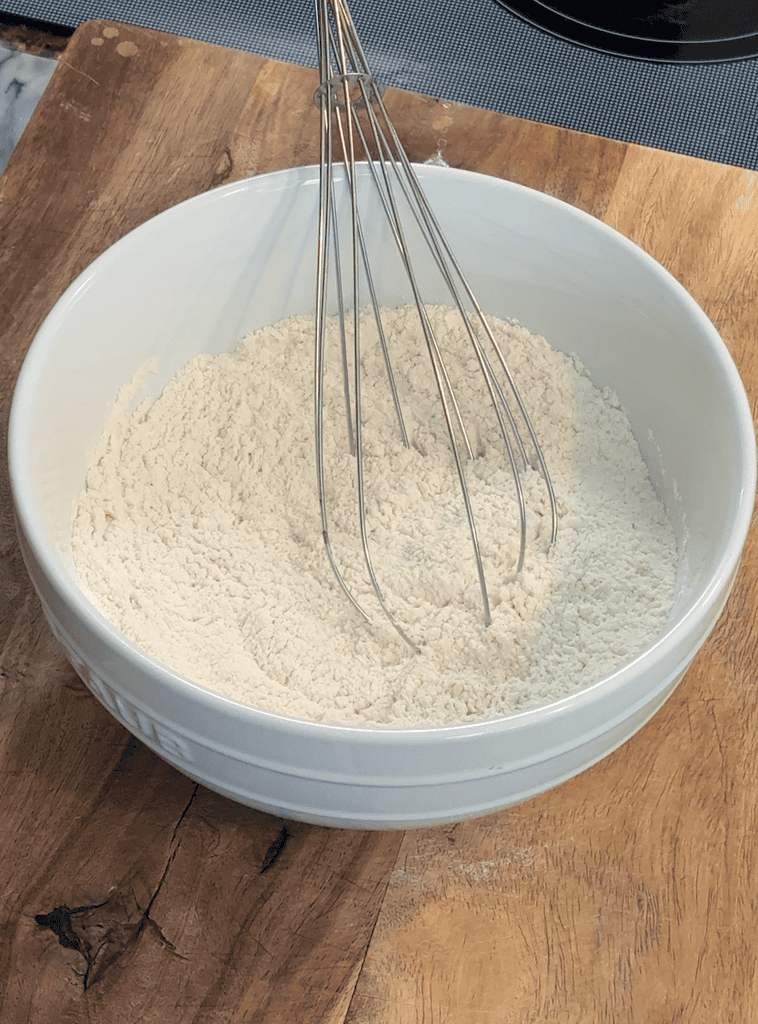
Add 1 1/2 cups of all-purpose flour and 1 teaspoon of salt to a mixing bowl. Whisk them together so the salt is evenly distributed.
2. Make the batter
Add one large egg and 1 1/4 cups of cold water. Whisk until the mixture is very smooth and no lumps of flour remain. The consistency should resemble thin pancake batter. It should be smooth, loose, and almost runny.
If you see small lumps, continue whisking before cooking. A smooth batter is one of the most important steps for great results.
3. Prepare the pan
Place a non-stick pan on the stove over low-medium heat. Lightly coat it with cooking spray. You only need a small amount of oil. Too much olive oil or cooking spray can make it difficult for the batter to cling evenly to the pan.
Some traditional instructions describe very low heat as the “slowest fire.” On a modern stove, low-medium heat is a better guide. The pan should be warm enough to set the batter without turning it golden brown or crisp.
4. Spread a thin layer
Add just enough batter to coat the bottom of the pan. Quickly use a pastry brush or silicone spatula to paint the batter into a thin, even circle. Fill in any bare spots, but avoid making the wrapper too thick.
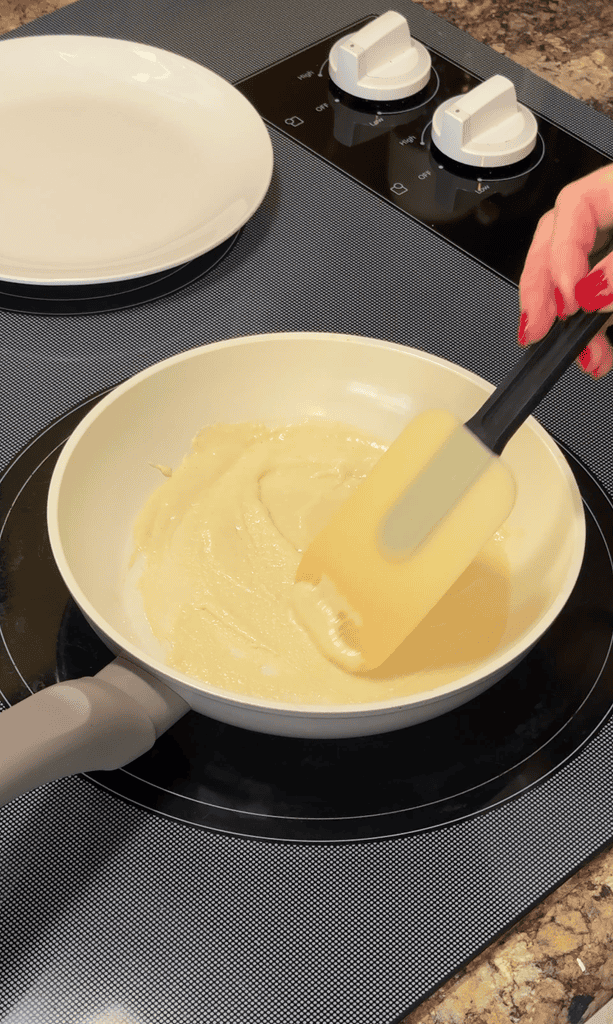
The spreading step may take a little practice. If the batter sets before you can spread it, lower the heat slightly. If it remains wet for too long, raise the heat a small amount.
5. Cook the first side
Allow the wrapper to cook until it no longer looks wet and the edges begin to curl away from the pan. Carefully slide a thin spatula underneath it.
6. Flip and finish cooking
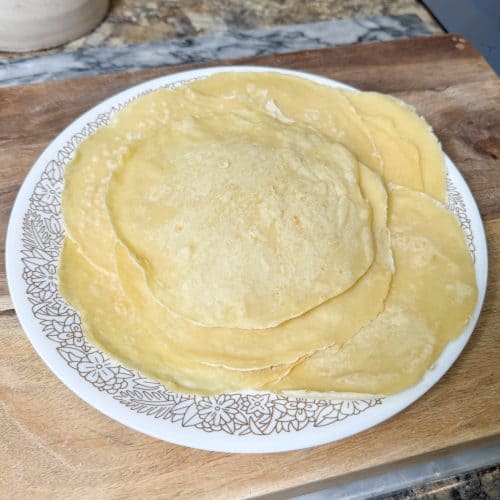
Flip the wrapper and cook the other side for 40 to 45 seconds. The wrapper should be cooked through but still pale and flexible. Transfer it to a plate or cutting board.
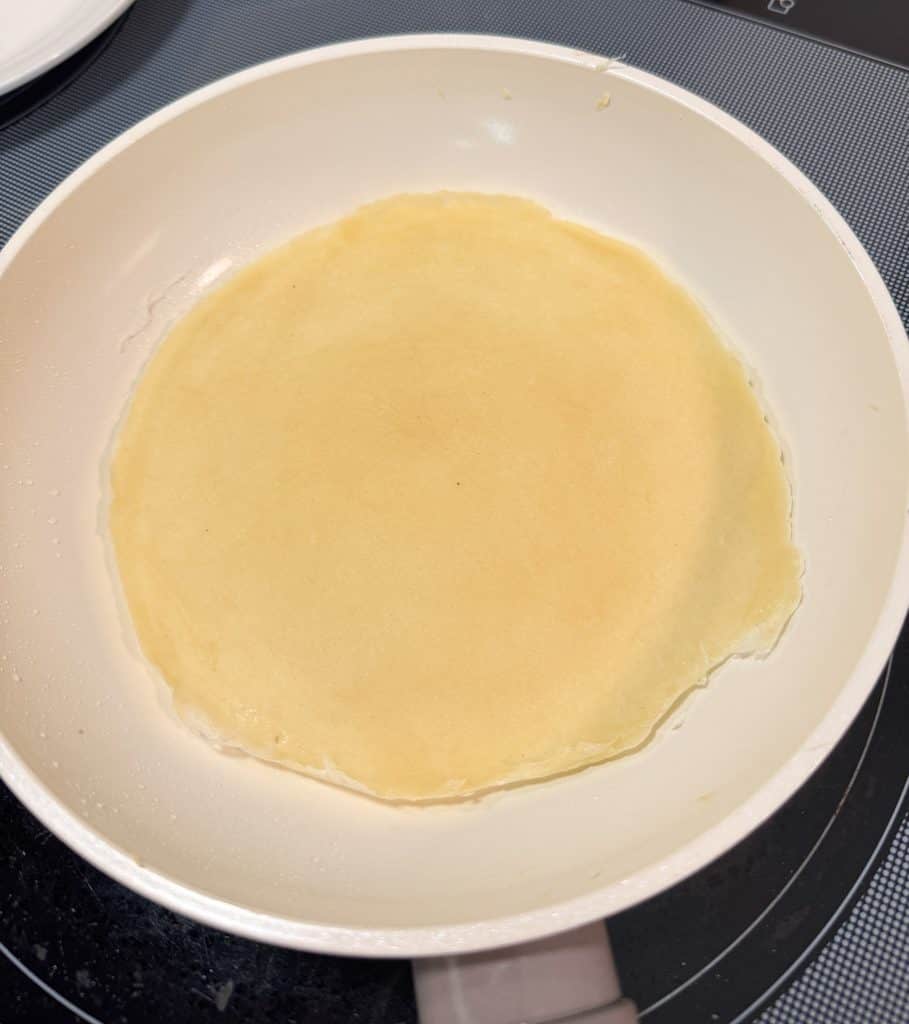
Repeat with the remaining batter, lightly spraying the pan again only when needed. This recipe makes roughly ten 6-inch round wrappers.
Tips for the Best Egg Roll Wrappers
Keep the batter thin and smooth
The batter should spread easily across the pan. If it is thick like cake batter, the wrappers may be heavy and difficult to fold. Whisk well so there are no dry pockets or lumps.
Control the heat
Medium heat may be too strong on some stoves. Start at low-medium and adjust as needed. If the wrapper becomes golden brown, crisp, or spotted before you flip it, reduce the heat.
Use only enough batter to coat the pan
A thin layer creates a flexible wrapper. Adding too much batter can produce something closer to a crepe. The goal is to paint a light, even coating across the entire bottom.
Keep cooked wrappers covered
Stack the wrappers with a piece of parchment paper between each one. Cover the stack with plastic wrap or a slightly damp, clean cloth. A wet cloth should not touch the wrappers directly because excess moisture can make them sticky.
Do not overfill
Too much egg roll filling can tear the wrapper or cause it to open while cooking. A few tablespoons of filling should be enough for a 6-inch wrapper.
Egg Roll Filling Ideas
These wrappers can hold many combinations of meat and vegetables. Try ground pork for a classic pork egg roll, or use ground chicken, ground turkey, or ground beef. Different proteins make it easy to adapt the recipe to what you have on hand.
For a quick filling, cook your choice of meat with fresh ginger, soy sauce, sesame oil, and a splash of rice wine vinegar. Add fresh vegetables or pre-shredded coleslaw mix. A vegetable filling made with cabbage, carrots, mushrooms, and green onions is also delicious.
Always cook the filling before assembling the egg rolls unless your chosen egg roll recipes give other safe directions. Let the mixture cool and drain away excess moisture. A hot or watery filling can soften or tear the wrappers.
How to Fill and Roll the Wrappers
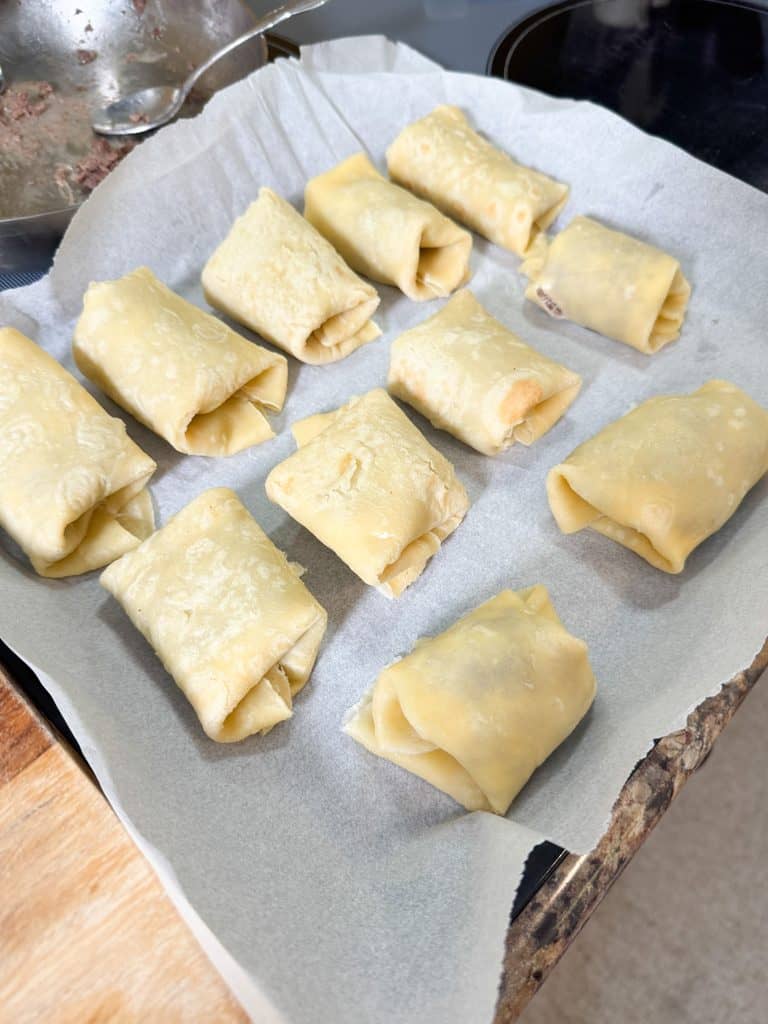
Place one wrapper on a clean cutting board. Since these wrappers are round rather than square, you will not have a corner facing you. Instead, place the filling in a short line just below the center.
Fold the bottom edge up over the filling. Fold the left and right sides toward the center, keeping the roll snug. Continue rolling until you reach the top edge. Brush the edge with a little flour-and-water paste to seal it. Place the finished roll seam-side down while you assemble the rest.
If you use square wrappers, position one with a corner facing you and follow the same general folding pattern. Whether the final flap lands on the left or right side does not matter as long as the wrapper is tightly sealed.
How to Cook Homemade Egg Rolls
Deep frying
Heat a neutral cooking oil to about 350°F. Carefully add the egg rolls without crowding the pot. Fry for about 3-4 minutes, turning as needed, until they are crisp and golden brown. Transfer them to a rack or paper towel-lined plate.
Use caution around hot oil. Make sure the egg rolls are tightly sealed, and never place wet utensils near the fryer.
Air fryer
For air fryer egg rolls, lightly brush or spray the outside with oil. Arrange them in a single layer with space between each roll. Air fry at 375°F for about 10-15 minutes, turning halfway through, until crisp and golden brown. Cooking time can vary by air fryer.
Baking
Place the egg rolls seam-side down on a greased or parchment-lined baking sheet. Brush or spray them lightly with oil. Bake at 400°F until crisp and golden, turning once during cooking. Begin checking them around 15 minutes.
Dipping Sauce Ideas
Serve homemade egg rolls with sweet chili sauce, soy sauce, duck sauce, or your favorite sweet-and-sour sauce. Fresh ginger, sesame oil, and rice wine vinegar can also be mixed into a simple homemade dipping sauce.
How to Store Homemade Egg Roll Wrappers
Allow the wrappers to cool completely before storing them. Place a piece of parchment paper between each wrapper to prevent sticking. Transfer the stack to an airtight container or wrap it tightly in plastic wrap.
Store the wrappers in the refrigerator and use them within 2 days for the best texture. Let chilled wrappers sit at room temperature for 10 to 15 minutes before rolling so they are less likely to crack. Because homemade wrappers do not contain the preservatives found in some store-bought egg roll wrappers, they should not be kept at room temperature for long periods.
To freeze, separate the wrappers with parchment, wrap the stack well, and place it in a freezer-safe airtight container. Freeze for up to 2 months. Thaw overnight in the refrigerator before using. Freezing may slightly change the texture, so test one wrapper before filling the entire batch.
Frequently Asked Questions
Why is my batter sticking to the pan?
Make sure you are using a good non-stick pan and a light coating of cooking spray. The wrapper also needs time to set before you try to lift it. Wait until the surface no longer looks wet and the edges begin to curl.
Why are my wrappers too thick?
You may be adding too much batter or spreading it too slowly. Add only enough to cover the pan, then quickly paint it into a thin layer. A small brush can help you spread the batter into bare spots without adding more.
Can I cut the wrappers into squares?
Yes. Once the wrappers are cool, use a sharp knife to trim them into smaller squares. Keep in mind that trimming a 6-inch round skin into 6-inch squares is not possible without starting with a larger wrapper. The round shape works well for egg rolls and avoids unnecessary scraps.
Can I use these as wonton wrappers?
You can cut them smaller for some appetizer recipes, but the texture will not be identical to traditional wonton wrappers. Traditional wonton dough is often thicker and better suited for boiling or steaming. These wrappers work best for fried, baked, or air-fried rolls.
Can I make spring rolls with them?
Yes, if your spring rolls call for cooked wheat-based wrappers. They are not a substitute for translucent rice paper wrappers used in fresh Vietnamese spring rolls.
Is this recipe gluten-free?
No. This recipe contains all-purpose wheat flour. Do not substitute rice flour, potato starch, or tapioca starch without a tested recipe because gluten-free batters behave differently. If you need gluten-free or egg-free wonton and egg roll wrappers, choose a recipe created for those dietary needs.
Do I need a rolling pin or pasta machine?
No. Those tools are used for dough-based wrappers. This easy batter method is spread directly in the pan, so there is no ball of dough to knead or roll.
Are these the same as Wei-Chuan wrappers?
Wei-Chuan is one brand of packaged wrappers commonly sold at Asian grocery stores. Homemade wrappers will not be exactly the same as any packaged product because thickness, ingredients, and manufacturing methods vary among different brands.
Can I prepare filled egg rolls in advance?
Yes, but only for a short time. Arrange the uncooked rolls in a single layer, cover them tightly, and refrigerate them until you are ready to cook. For the best texture, cook them the same day. A moist filling can soften the wrappers over time.
Final Thoughts
Homemade egg roll wrappers are easier to prepare than you might expect. This simple batter method skips the kneading and rolling required by many traditional recipes. With a smooth batter, a lightly greased pan, and steady low-medium heat, you can make soft wrappers for some of your best egg rolls at home.
Fill them with ground pork, ground chicken, ground turkey, ground beef, or fresh vegetables. Then fry, bake, or cook them in the air fryer and serve them with sweet chili sauce, duck sauce, soy sauce, or sweet-and-sour sauce. Once you make your own egg rolls from scratch, these flexible wrappers may become the starting point for your new favorite appetizer.
Homemade Egg Roll Wrappers
Equipment
- mixing bowl
- whisk
- Measuring cups and spoons
- 6-inch non-stick pan
- Pastry brush or silicone spatula
- Thin spatula
Ingredients
- 1 1/2 cups all-purpose flour
- 1 teaspoon salt
- 1 large egg
- 1 1/4 cups cold water
- Cooking spray as needed
Instructions
- Add the all-purpose flour and salt to a mixing bowl. Whisk to combine.
- Add the egg and cold water. Whisk until the batter is completely smooth, thin, and almost runny, similar to thin pancake batter.
- Place a non-stick pan over low-medium heat. Coat it lightly with cooking spray.
- Add just enough batter to coat the bottom of the pan. Use a pastry brush or silicone spatula to quickly paint it into a thin, even layer.
- Cook until the wrapper no longer looks wet and the edges begin to curl away from the pan.
- Carefully flip the wrapper. Cook the second side for 40 to 45 seconds.
- Transfer the wrapper to a plate. Repeat with the remaining batter, spraying the pan lightly again only as needed.
- Keep the finished wrappers covered until you are ready to fill them.


